

Footwear plays a much bigger role in our health than most people realise. The slippers you wear every day at home, while working, or during daily routines directly affect how your feet, legs, and posture feel. This is where orthopaedic slippers come in. In this blog, we’ll explain what are orthopaedic slippers, the benefits of orthopaedic slippers, how they differ from regular slippers, and who should consider wearing them.
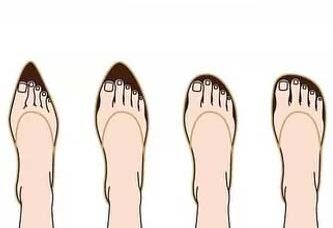
Meaning of orthopaedic footwear
Orthopaedic footwear is designed with one main purpose: to support how the foot naturally moves and bears weight. Instead of focusing only on softness or appearance, orthopaedic slippers are built to reduce pressure on sensitive areas of the foot and provide stability while standing or walking. They help the foot stay properly aligned, which can prevent discomfort from spreading to the knees, hips, or lower back over time.
In simple terms, orthopaedic slippers are created to make daily walking easier, safer, and more comfortable especially when worn for long hours.
Difference between normal & orthopaedic slippers
The difference between slippers and orthopaedic slippers lies in how they are constructed.
Normal slippers usually have:
- Flat or thin soles
- Little to no arch support
- Soft materials without structure
- Limited grip on smooth floors
Orthopaedic slippers, on the other hand, include:
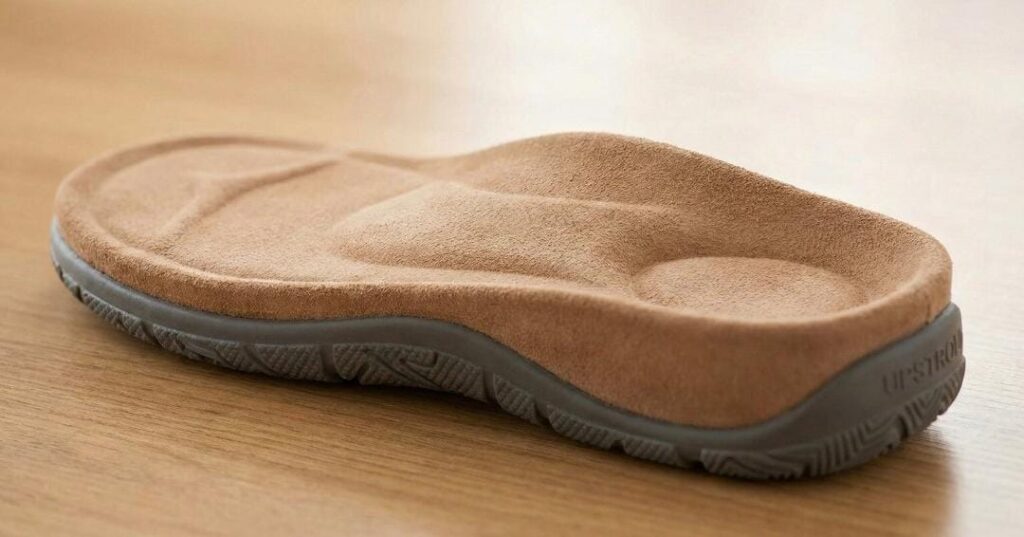
- Shaped insoles that support the arch
- Cushioned soles that absorb impact
- A defined heel area for better balance
- Anti-slip outsoles for safety
While normal slippers may feel fine for short periods, wearing them daily for months or years can lead to foot fatigue, heel pain, or joint discomfort. Orthopaedic slippers are designed to prevent these issues rather than react to them later.
Health benefits
The benefits of orthopaedic slippers go beyond comfort and convenience:
- Reduced foot strain: Arch support helps distribute body weight evenly across the foot.
- Heel pain relief: Cushioning minimises pressure on the heel during standing and walking.
- Better posture: Supporting the feet correctly can improve alignment of the legs and spine.
- Improved balance: Anti-slip soles and a stable base lower the risk of slipping indoors.
- Everyday comfort: Less tiredness at the end of the day, even after long hours on your feet.
These benefits make orthopaedic slippers suitable not only for people with pain, but also for those looking to protect their foot health long term.
Who should wear orthopaedic slippers
Many people assume orthopaedic slippers are only for medical conditions, but that’s not true. They are helpful for:
- Seniors who need stable and safe footwear at home
- People who stand or walk for long hours indoors
- Individuals with flat feet, heel pain, or general foot discomfort
- Anyone experiencing tired or aching feet by evening
- People who want to avoid future foot problems
If foot pain is severe or persistent, professional advice is always recommended. However, for everyday support, orthopaedic slippers can make a noticeable difference.
Can normal people wear them?
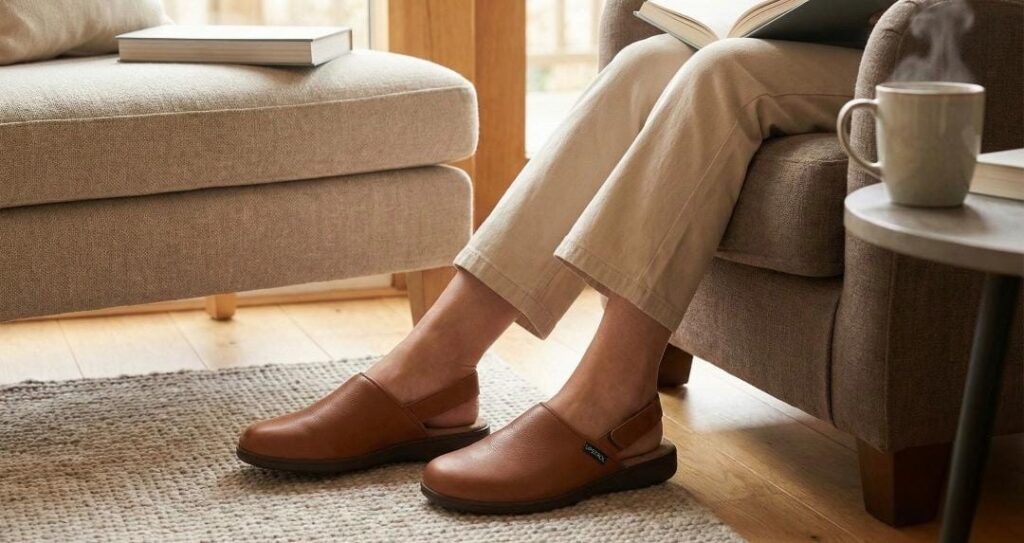
Yes, absolutely. Orthopaedic slippers are not restricted to a specific age group or condition. Even people with healthy feet can benefit from better support and cushioning. In fact, wearing supportive slippers early can help prevent foot stress caused by years of walking on hard surfaces with poor footwear.
If you are new to orthopaedic slippers, it’s a good idea to wear them for a few hours initially and then increase usage as your feet adjust.
Is it okay to wear orthopaedic slippers all day?
For most people, wearing orthopaedic slippers all day at home is perfectly fine. They are designed for extended use and help reduce daily foot fatigue. The key factors are correct sizing and quality design. If slippers are too tight or too loose, they may cause discomfort regardless of type.
For outdoor activities or long walks, switch to supportive shoes designed for those conditions.
How to choose the right orthopaedic slippers
Choosing the right pair is essential. Look for:
- Proper arch support that matches your foot shape
- Cushioned soles to absorb shock
- Anti-slip outsoles for indoor safety
- Secure fit to prevent slipping or rubbing
- Breathable materials for long-term comfort
Always check size charts and product descriptions carefully. You can explore the Orthopaedic Slippers section on the Upstrol website for feature details and options. For daily comfort-focused recommendations, read our related post: Best Orthopaedic Slippers for Daily Comfort in India (Blog 1).
FAQs
Do orthopaedic slippers really work?
Yes. When designed correctly, they help reduce foot strain, improve comfort, and support natural movement during daily activities.
Are orthopaedic slippers only for old people?
No. People of all ages can benefit from better foot support, especially if they stand or walk frequently.
How long should I wear orthopaedic slippers?
You can wear them the whole day at home. If you are switching from flat slippers, start gradually and increase wear time as your feet adapt.