
Signs Your Feet Need Orthopaedic Sandals — Don’t Ignore These!
Why this matters now (short & real)
Foot pain is common — studies estimate that 13–36% of adults experience foot pain at any time, and conditions like plantar fasciitis affect a significant slice of the population. Early intervention with the right footwear can reduce pain, improve function, and prevent more serious problems (like diabetic foot complications) later on. PMC NCBI
The global orthopedic/orthopaedic footwear market is also growing quickly — rising demand shows people are increasingly aware that proper shoes can be medical tools, not just fashion. This is good for customers and for businesses that make quality custom solutions. Research Nester
The 10 signs — check these, don’t ignore them
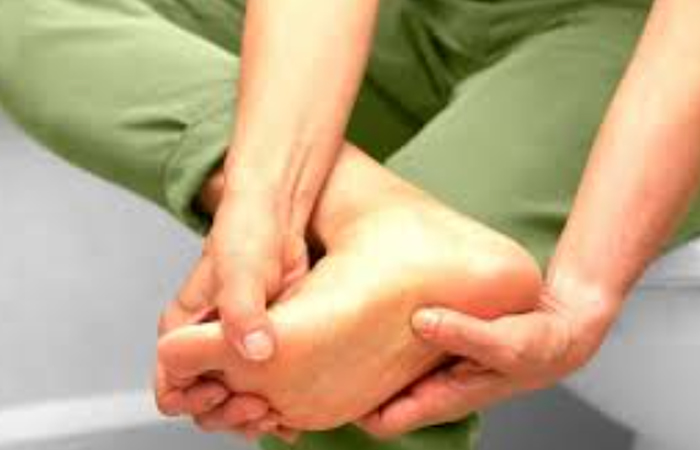
1. Heel pain first thing in the morning (or after rest)
If your customer says “my heel hurts when I take the first steps out of bed,” that’s a classic red flag for plantar fasciitis. Orthopaedic sandals with heel cups and arch support reduce strain on the plantar fascia and often ease morning pain. NCB
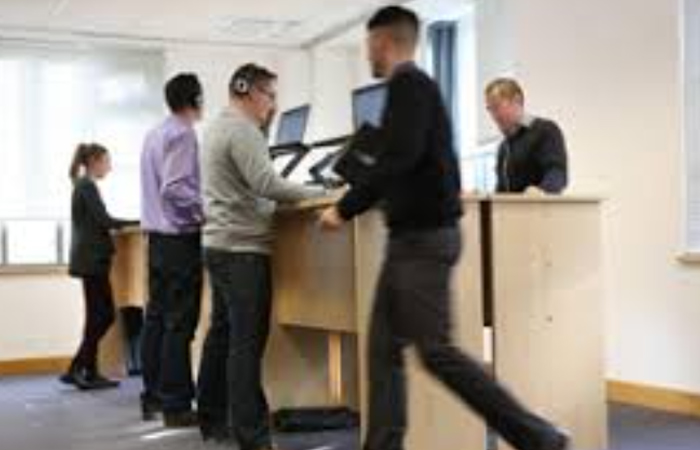
2. Pain after long standing or walking
People who stand at work (teachers, shopkeepers, cooks) often feel increasing foot pain by midday. If pain reliably worsens with standing, arch support and cushioning help redistribute pressure and reduce fatigue.
3. Frequent arch aches or “flat foot” discomfort
A fallen or collapsing arch causes strain across the foot and up the legs. If the arch aches after activity or shoes feel suddenly “off,” it’s time for supportive, contoured sandals.
Tip: custom sandals that match the person’s arch curve beat generic flat sandals.
4. Recurrent ankle rolling or instability
When ankles roll easily, it can indicate poor foot alignment or weak support. Orthopaedic sandals with a stable sole and secure straps reduce sideways motion and risk of sprain.
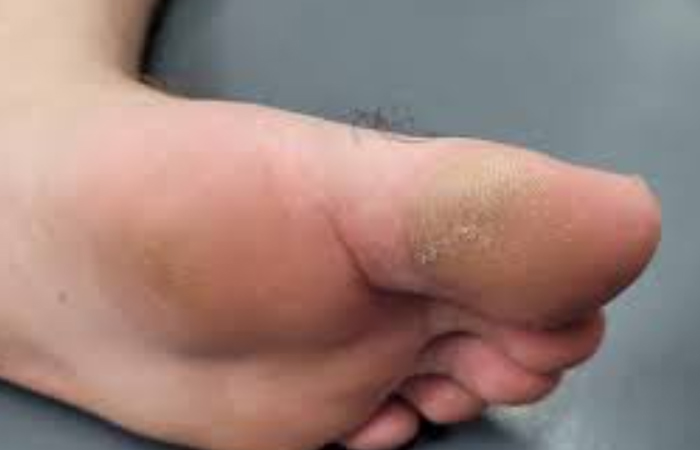
5. Calluses, corns, bunions or toes rubbing together
Changes in foot shape or persistent pressure points mean footwear is not fitting or supporting correctly. A custom footbed and proper strap positioning can relieve hot spots and prevent worsening.
6. Pain that travels up the leg or into the knee/hip
Foot mechanics affect the whole chain — pain that starts in the foot but shows up in the knee or hip suggests the foot isn’t absorbing shock correctly. Orthopaedic sandals with shock-absorbing midsoles and correct alignment help.
7. You have diabetes or neuropathy (or are at risk)
People with diabetes must treat foot care seriously: small wounds can lead to ulcers and infections. Regular protective, well-fitting orthopaedic sandals reduce pressure points and help prevent complications. Early screening and good footwear are key. ScienceDirect PMC
Important: anyone with numbness or slow-healing wounds should see a clinician — footwear is a prevention tool, not a full treatment.
8. You’re an active walker/runner and recovery is slow
Athletes and fitness freaks who feel persistent foot pain after training often benefit from orthotic support to control pronation and reduce overuse injuries. Studies show foot orthoses and orthotic sandals can reduce pain and improve function for plantar conditions. PMC
9. One shoe size feels different between left and right
A sudden size or comfort difference between feet often signals structural or swelling issues. Custom sandals can accommodate asymmetry — removable footbeds, adjustable straps, and personalized arch contours help both comfort and healing.
10. You’ve tried cheap flip-flops or flat sandals and the pain got worse
Fashion flip-flops or unsupportive sandals may feel ok short-term but can worsen arch strain, heel pain, and alignment problems. Switching to well-designed orthopaedic sandals — ideally custom-made — is a smart step toward lasting relief. (RCTs and trials report better outcomes when orthotic sandals are used alongside insoles/orthoses.) ResearchGate
Quick facts & trends to share with buyers
- Foot pain is common: 13–36% prevalence in adults (wide study reviews). PMC
- Plantar fasciitis affects up to ~10% of people during their lifetime and is a leading cause of heel pain. NCBI
- Orthopaedic footwear market is expanding rapidly — a sign more people are choosing medically designed footwear. This reflects both awareness and demand for custom solutions. Research Nester
How orthopaedic sandals help — in plain words
- Support the arch so the plantar fascia doesn’t overstretch.
- Cushion the heel to absorb shock from walking.
- Stabilize alignment to reduce ankle/leg strain.
- Relieve pressure points to prevent calluses and ulcers. Clinical studies and trials back these benefits when orthotics and orthotic sandals are used correctly. PMC
Quick buying checklist (for your customers)
- Contoured footbed matching arch curve
- Deep heel cup
- Firm midsole with shock absorption
- Adjustable straps for correct fit
- Option for custom footbed or removable orthotic
Final word — when to see a clinician
If there’s swelling, fever, open sores, severe numbness, or wounds that don’t heal — seek medical care quickly. Footwear helps prevention and pain control, but medical problems need clinical attention. ScienceDirect PMC
We make custom orthopaedic sandals & arch-support footwear tailored to your foot curve and condition — available at our 3 branches. Book a science-based foot analysis (gait + pressure mapping) and get a personalized recommendation. DM or call for an appointment — healthy feet change everything!
Contact Upstrol technologies – +91 9500954783
Tags:
Share This: